


Share This Article
The smart glasses market has a price problem. Most capable AR glasses hover around the $400–$600 mark, putting them out of reach for curious consumers. Enter the Aventa G100, priced aggressively at under $200. The question is obvious: what did they sacrifice?
Turns out, less than you’d expect. The Aventa G100 has quietly become one of the most intriguing entries in the budget smart glasses segment, offering a surprisingly polished experience that punches well above its price tag. After spending time with these glasses, it’s clear that Aventa has made smart choices about where to cut costs and where to invest.
First Impressions and Build Quality
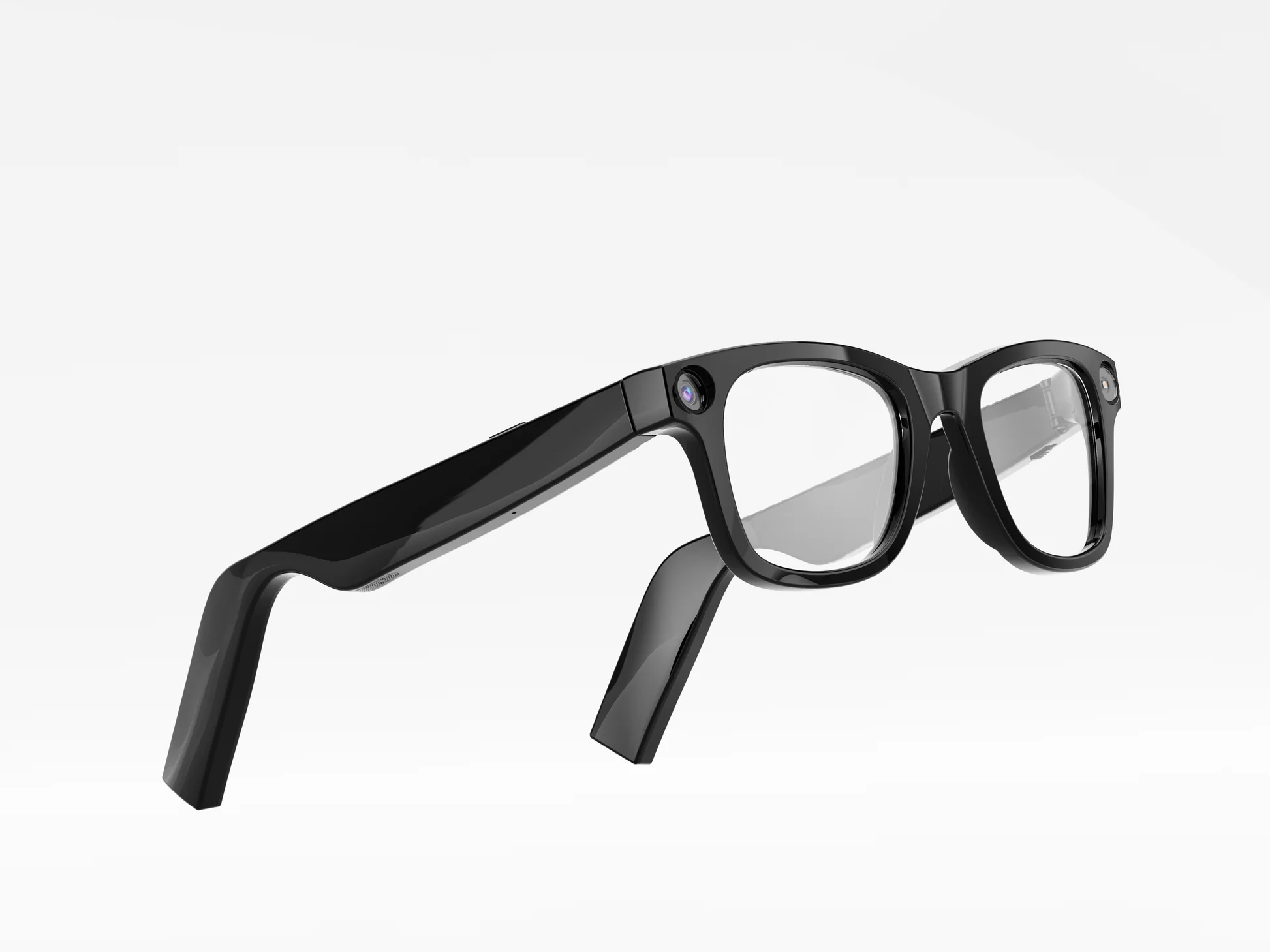
Unboxing the Aventa G100, the first thing you notice is how normal they look. At 42 grams, they’re lighter than many premium sunglasses and indistinguishable from regular eyewear at a glance. The frame comes in several classic styles — Wayfarer, Round, and Aviator — so you don’t have to look like a cyborg to wear smart glasses.
The build quality is impressive for the price point. The hinges feel solid, the temples house the electronics without looking bulky, and the IPX4 water resistance means you don’t have to panic if you get caught in the rain. Aventa clearly prioritized everyday wearability over flashy design, and it pays off.
Audio Performance That Surprises
Darksiders III Review
Description
Sed ut perspiciatis unde omnis iste natus error sit voluptatem accusantium loremque laudantium, totam rem aperiam, eaque ipsa quae ab illo inventorePositives
- Graphics
- Gameplay
- Sound
- Multiplayer
Negatives
- Storyline
- Bonuses
- Price
One area where the G100 genuinely competes with glasses costing three times as much is audio. The directional speakers in the temples deliver clear, surprisingly rich sound without leaking excessively to those around you. Phone calls come through crisp and natural, and music — while obviously not rivaling dedicated headphones — is perfectly adequate for podcasts, audiobooks, and casual listening.
The dual-microphone array does an excellent job of picking up your voice even in moderately noisy environments. Wind noise reduction works well enough that taking calls on a walk isn’t frustrating. For a sub-$200 device, the audio experience is genuinely good.
The HUD Experience
The Aventa G100 doesn’t try to be a full AR headset. Instead, it offers a basic notification heads-up display that shows incoming messages, call alerts, navigation prompts, and quick information snippets. The monochrome display sits discretely in your peripheral vision, and you can toggle it on and off when needed.
This is a deliberate design choice. Rather than cramming complex AR overlays into a budget device, Aventa focused on doing simple things well. The HUD is readable even in direct sunlight thanks to a reasonably bright display, and it fades into the background when you don’t need it. It’s not going to replace your phone’s screen, but for glanceable information, it works.
ChatGPT Integration and AI Features
Aventa leaned heavily into AI integration, and it’s one of the G100’s strongest selling points. The glasses feature built-in ChatGPT access, allowing you to ask questions, get translations, and query information hands-free. The “Hey Aventa” wake word works reliably, and responses come through the onboard speakers quickly.
The AI Vision feature is genuinely useful — point your gaze at a sign in a foreign language, and the glasses can translate it in real-time. Object recognition works for common items, and the assistant can answer contextual questions about what you’re looking at. It’s not perfect, and it relies on a phone connection for processing, but for a first-generation implementation, it’s impressive.
Camera and Recording
The G100 packs a 1080p camera capable of recording stabilized video and capturing 20MP photos. The software-based stabilization does a respectable job smoothing out walking footage, and the 12-minute continuous recording limit per clip is generous compared to the Ray-Ban Meta’s 3-minute limit. Aventa claims 98% of users said they recorded memories they’d otherwise miss — and it’s easy to believe.
Photo quality is good for a wearable camera in this price range. Daylight shots are clear and well-exposed, though low-light performance is predictably mediocre. The hands-free nature of the capture is the real win — you can record moments without pulling out your phone, and the Wi-Fi sharing feature makes transferring clips to your device fast.
Battery Life and Charging
Aventa rates the G100 at 3 hours of continuous video recording and up to 30 hours of music playback. In real-world mixed use — some recording, occasional calls, notification checking — you’ll get through a full day without reaching for the charger. The glasses charge fully in about 70 minutes via USB-C, which is reasonable.
The battery is housed in the right temple, which is slightly thicker than the left. It’s not uncomfortable, but heavy users will want to top up during the day. The standby time is excellent, so you can leave the glasses in your bag for days and still find battery when you need it.
How Does It Compare to Ray-Ban Meta?
The inevitable comparison is to the Ray-Ban Meta glasses, which cost roughly $299 and up. The Aventa G100 undercuts them by a significant margin. You lose the brand cachet, the integrated social media sharing is less seamless, and the camera and audio aren’t quite as refined. But for the price difference, the G100 offers remarkable value. The ChatGPT integration is actually more flexible than Meta’s AI implementation in some ways, and the longer recording time is a real advantage.
Who Should Buy the Aventa G100?
The Aventa G100 is for anyone who wants to dip their toes into smart glasses without spending a fortune. It’s perfect for:
- Content creators who want hands-free POV footage
- Parents who want to capture family moments without a phone in hand
- Commuters who want navigation and notifications at a glance
- Early adopters on a budget who want to explore AI-wearable integration
- Anyone curious about smart glasses who isn’t ready to spend $500+
The Verdict
The Aventa G100 doesn’t try to beat the premium competition at their own game. Instead, it asks a smarter question: what do most people actually need from smart glasses? The answer is good audio, basic notifications, hands-free capture, and AI assistance — all delivered in a package that looks like normal glasses and costs less than a decent pair of headphones.
At under $200, the G100 isn’t “cheap but good” — it’s genuinely good, and the price is a bonus. Aventa has delivered a compelling entry-level option that makes smart glasses accessible to a much wider audience. For that alone, it deserves attention.
Is it better than a $600 pair of Xreal Airs or Ray-Ban Metas? No. But it doesn’t have to be. The Aventa G100 succeeds by being good enough at the essentials while costing a fraction of the competition. Sometimes that’s exactly the right call.
