


Share This Article
Reebok has entered the smart eyewear arena with the Nitrous, a pair of audio sunglasses that combine the brand’s sporty aesthetic with open-ear audio technology powered by Lucyd. The question is whether a sportswear giant can compete with the Ray-Ban Meta juggernaut and dedicated audio brands like Bose and Soundcore.
After spending time with the Reebok Nitrous, the answer is surprisingly positive — at least for what these glasses are actually trying to be. They’re not AR glasses with displays or camera-equipped AI assistants. They’re Bluetooth audio sunglasses with a sporty focus, and within that lane, they deliver a genuinely compelling package for $199.
Design and Build: Sporty and Secure
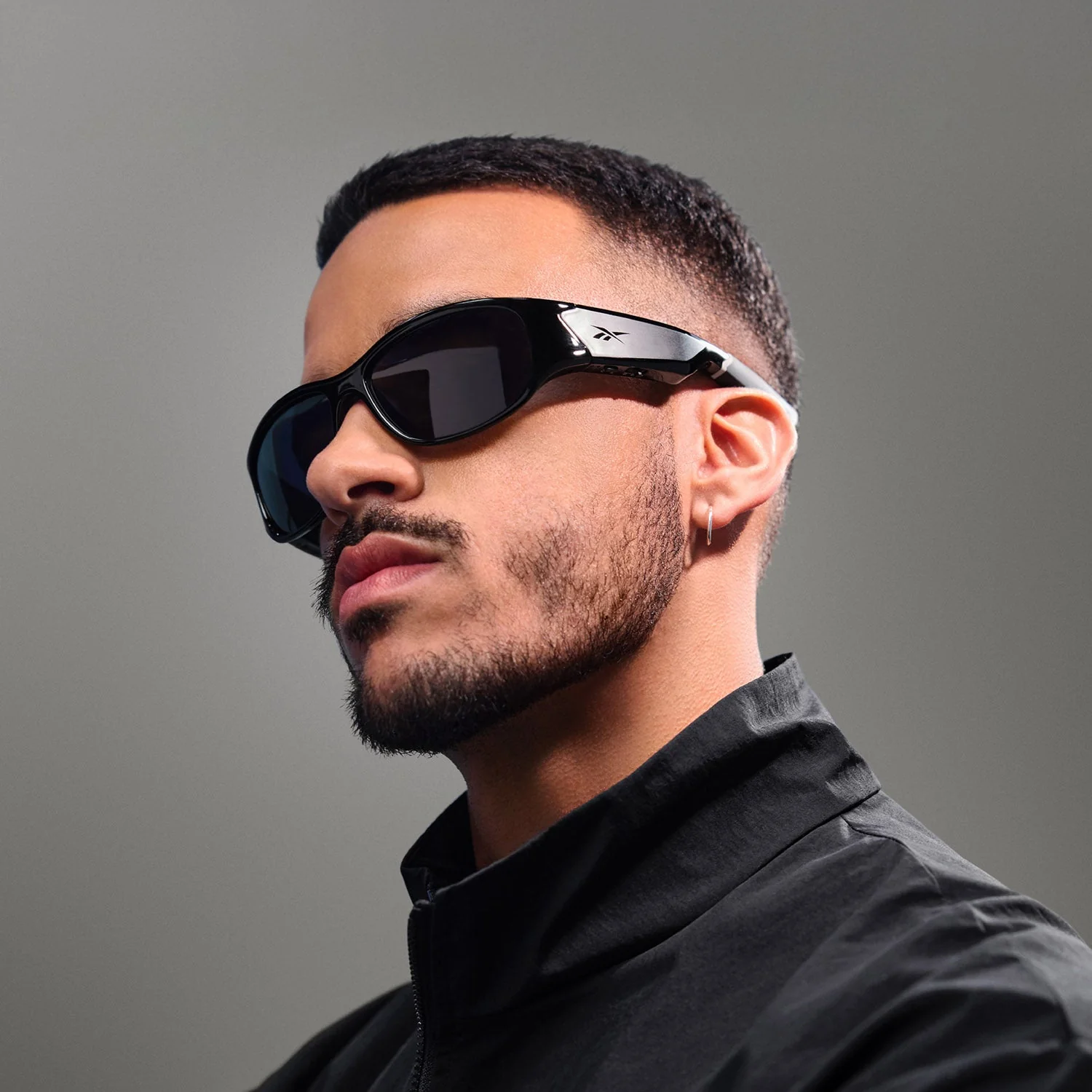
The Nitrous has a wraparound athletic silhouette that looks like a natural pair of performance sunglasses — not a tech gadget on your face. Available in black polarized or gold mirror lens options, they’re designed for movement. The frame is slightly thicker than standard sunglasses to house the speakers and battery, but not dramatically so.
At 51 grams, they’re lightweight and comfortable for extended wear. The adjustable rubber nose pad and high-grip rubber earpieces keep them secure during runs, cycling, and gym sessions — no sliding or bouncing. The IP56 rating means they handle sweat and rain without issue. The build quality is good rather than premium — the materials don’t shout luxury — but they feel durable and well-assembled. The included red zipper case is a nice touch that actually feels more premium than the glasses themselves.
Audio Quality: The Main Event
This is where the Nitrous delivers. The HiFi open-ear speakers pump out noticeably richer, fuller audio than most smart glasses in this price range. Music sounds balanced with genuine bass presence — more than I expected from a pair of 51-gram sunglasses. Podcasts and audiobooks come through clear and natural. Even at higher volumes, the audio stays composed without getting harsh or tinny.
The open-ear design means you’re never isolated from your environment — a genuine safety advantage for runners and cyclists. The spatial quality of hearing music around your ears rather than inside them takes some getting used to, but it quickly feels more natural for active use than in-ear buds. The one trade-off: at higher volumes, people nearby can hear what you’re playing, so keep it reasonable in quiet public spaces.
Compared to the Ray-Ban Meta, the Meta still has a slight edge in overall audio quality, particularly at higher volumes. But the gap is smaller than the $100 price difference would suggest.
Connectivity and Bluetooth
Bluetooth 5.3 provides fast, stable pairing out of the box with a 100-foot range. In testing, the connection was rock solid — zero dropouts, even with the phone in a different room. This is a meaningful upgrade over earlier Lucyd-powered glasses that occasionally suffered from brief disconnects.
Lenses and Sun Protection
The polarized black lenses deliver excellent UV400 protection, blocking nearly 100% of UVA and UVB rays. Polarization cuts glare effectively off roads, water, and windshields. The lenses also feature anti-fog and anti-scratch coatings — genuinely useful for active use. The prescription lens compatibility (SPH: -8.00 to +7.00, CYL: -4.00 to +4.00) makes these accessible for daily wearers who need vision correction.
Battery and Charging
Rated at 8+ hours of continuous audio playback, the battery life holds up well in real-world use. A mix of music and calls across several days between charges is realistic. The magnetic USB-C charging cable is one of the best design details — it snaps into place cleanly without fumbling, and a full charge takes about 90 minutes.
Microphone and Calls
This is the weakest link. The dual noise-canceling microphones are serviceable for quick calls, but audio quality on the caller’s end is muffled and lacks clarity. People you talk to will understand you, but you’ll sound like you’re talking through a towel. If clear call quality is critical for your workflow, this is a genuine downside. For occasional calls during commutes or workouts, it’s acceptable but not impressive.
The Lucyd App: Optional but Underwhelming
The Lucyd companion app offers ChatGPT integration and 17-language translation, but both features feel underdeveloped. The ChatGPT access is text-based rather than voice-native — which defeats the purpose of smart glasses. The translation feature is clunky, requiring manual phone interactions rather than seamless hands-free use. Google Translate on your phone does a better job with less friction.
The good news: the glasses work perfectly without the app. Bluetooth audio, calls, and voice assistant access (Siri, Google Assistant) all function independently. The app is entirely optional, and you’re not missing much by skipping it.
Pricing and Availability
The Reebok Nitrous Smart Audio Sunglasses are priced at $199 and available through Reebok’s website, Lucyd’s store, and Amazon. They come in two lens options: black polarized and gold mirror. The Lucyd partnership supports direct prescription lens ordering.
The Verdict
The Reebok Nitrous gets the important stuff right. The audio sounds great, the Bluetooth is rock solid, the lenses provide excellent eye protection, and the battery lasts all day. It’s comfortable to wear, stays put during activity, and looks like a normal pair of sporty sunglasses. For $199, that’s a strong package.
Where it falls short is the “smart” stuff — the microphone quality is underwhelming, the app needs serious work, and the translation feature isn’t ready for real use. But honestly, most people buying audio sunglasses want to listen to music and take the occasional call. If that’s you, the Nitrous delivers.
The Reebok Nitrous isn’t trying to be the Ray-Ban Meta. It’s not competing with Halliday or Even Realities. It’s a focused product for active people who want premium audio sunglasses without the bulk of headphones. In that lane, it’s one of the best options available — and a solid debut for Reebok in the smart eyewear space.
