


Share This Article
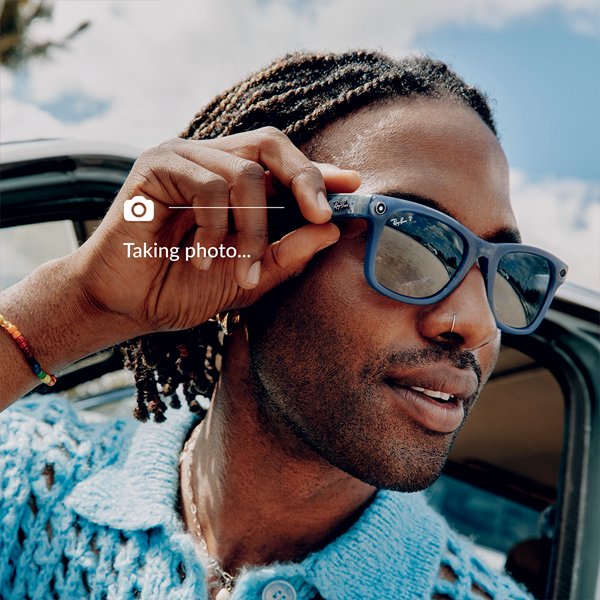
Meta just made its biggest move yet to turn the Ray-Ban Display from an intriguing gadget into a real computing platform. The company is opening the glasses’ tiny heads-up display to third-party developers, allowing anyone to build apps that run on the wearable’s screen.
The announcement came alongside a broader six-month update for the Ray-Ban Display line, and it signals that Meta is serious about keeping its lead in smart eyewear — especially with Android XR hardware from Samsung just over the horizon.
What Developers Can Actually Build
According to a Meta developer blog post, the SDK supports two paths: extending existing iOS or Android mobile apps to push content onto the glasses display, or building standalone web apps that run directly on the device. Both are in developer preview and will roll out “over the coming weeks.”
Meta demonstrated one use case with a flight-tracking app — look at a boarding pass or airport departure screen, and the glasses show you real-time gate changes and flight status right in your field of view. The potential is obvious: turn-by-turn navigation without pulling out your phone, contextual information overlays, message previews that don’t require anyone else to see your screen.
The decision to support web apps is particularly smart. It means developers don’t need deep native SDK knowledge or Meta’s buy-in to experiment. If you can build a web app, you can target the Ray-Ban Display.
Neural Handwriting Goes Wide
One of the most impressive features shown during the Ray-Ban Display launch — writing messages using hand gestures via the included neural wristband — is now available to all users after months in early access. You can compose WhatsApp, Messenger, Instagram, and native SMS messages just by tracing letters in the air. The wristband reads electromyographic (EMG) signals from your arm to detect finger movements, so you don’t even need to make large gestures. A subtle finger tap is enough.
The feature was one of the standout demos when the glasses first launched, but it took Meta months to move it beyond Messenger and WhatsApp. With this latest update, it works across all the major messaging platforms on both Android and iOS.
Display Recording and Other Practical Upgrades
Meta is also adding a “display recording” feature that captures a combined video of what you’re seeing in the lens display, the real world in front of you, and surrounding audio — handy for creating quick tutorials or sharing what you see on the heads-up display with someone else.
Walking directions now cover the entire US plus major international cities like London, Paris, and Rome. Live captions are rolling out across WhatsApp, Facebook Messenger, and Instagram DM voice messages — a genuinely useful accessibility feature that turns every conversation into a captioned one without anyone needing to look at their phone.
The Android XR Clock Is Ticking
This timing isn’t accidental. Samsung is preparing to launch “Galaxy Glasses” running Android XR, starting with an audio-only model. Display-equipped Android XR glasses are expected to follow. The advantage Android XR brings is that existing Android apps can extend to the new form factor natively — no custom SDK needed for the platform’s base capabilities.
Meta needs to make its glasses sticky before that happens. Opening the display to third-party developers is the fastest way to build an app ecosystem that keeps users inside Meta’s wearable orbit. The company has the hardware lead — the Ray-Ban Display shipped first, has a recognizable design partnership with EssilorLuxottica, and comes with the neural wristband that Android XR rivals haven’t matched. But software ecosystems take time to cultivate, and Meta is starting now rather than later.
The Takeaway
Smart glasses are entering their iPhone moment — not in sales volume yet, but in the shift from “cool gadget” to “platform.” With third-party apps, neural handwriting, and practical daily features like walking directions and live captions, the Ray-Ban Display is becoming the most fully featured smart glasses you can buy today. But the real race is about to begin when Samsung ships its Android XR hardware later this year. For buyers, now is a great time to watch this space closely — the next six months will tell us whether smart glasses become the next smartphone or just another niche accessory.
Sources: 9to5Google · The Verge
