


Share This Article
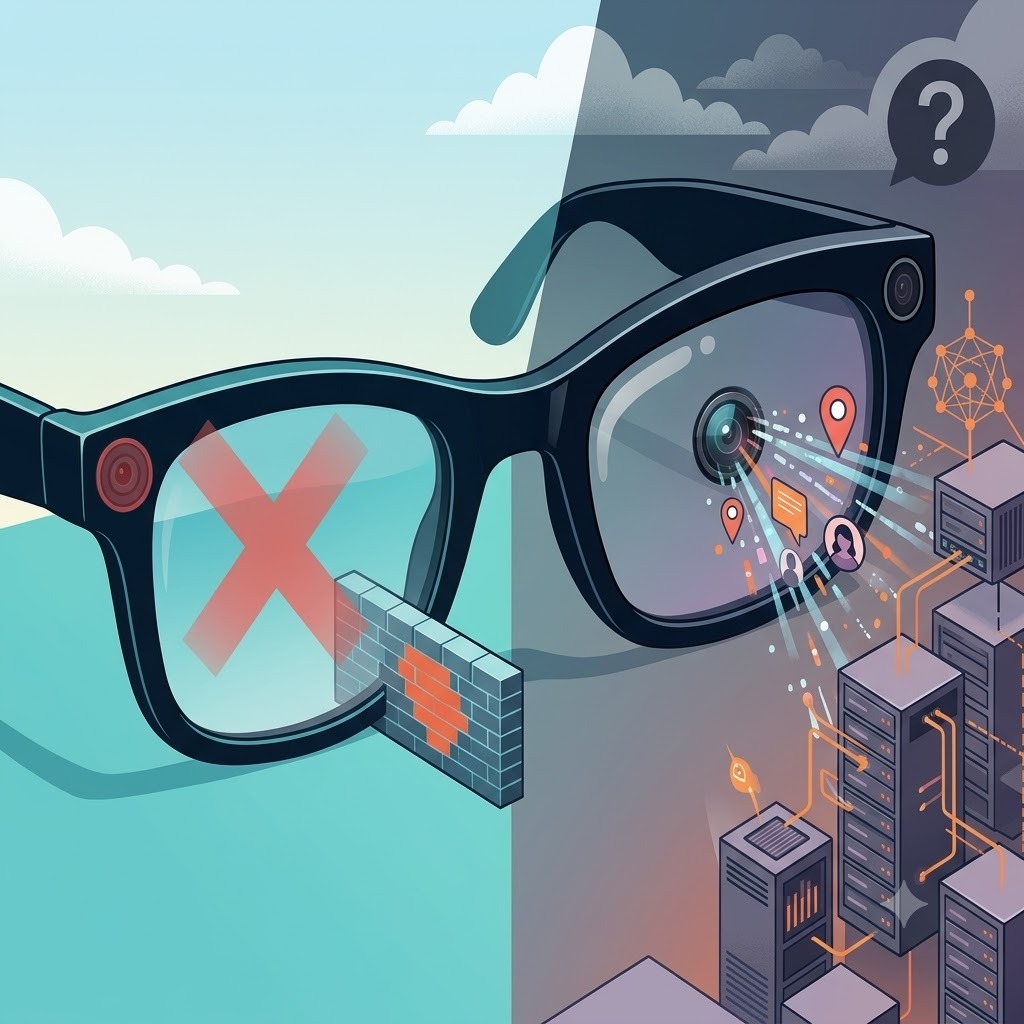
Meta has announced an update that disables the camera on its Ray-Ban smart glasses whenever the privacy LED indicator is tampered with, broken, or physically removed. The move responds directly to a growing cottage industry of modders who have found ways to bypass the recording light, often for purposes that range from covert recording to outright harassment.
The update arrives as Meta smart glasses face increasing scrutiny from lawmakers, courts, and the public. Several US court systems have already moved to ban camera glasses entirely from their buildings, and cruise lines have restricted their use in common areas. The company VP of wearables, Alex Himel, acknowledged the company has been tracking misuse patterns as adoption of the devices has widened.
But the security fix tells only half the story. On the same day Meta touted the new privacy safeguard, it also rolled out Muse, an AI image generator that can pull from public Instagram photos unless users manually opt out. The company has been testing prototypes that would continuously record audio while snapping photos every few seconds. And its privacy policy still allows any image shared with Meta AI to be used for training its models.
The contradiction has not gone unnoticed. Privacy advocates point out that Meta is simultaneously closing one loophole while opening wider ones. The company blog post on the camera update strikes a self-congratulatory tone, claiming no other kind of camera has done this, even as it faces multiple lawsuits and state investigations over the glasses privacy practices. One recent suit involved allegations that outsourced workers were shown graphic content from users glasses footage during AI training.
For users weighing whether to buy into the smart glasses category, the mixed signals create real confusion. The hardware fix addresses the most visible problem: people being recorded without their knowledge. But the software and policy choices suggest a company that still sees data collection as its primary growth engine. Until Meta aligns its product decisions with its privacy promises, the camera kill switch feels less like a solution and more like a patch on a much larger leak.
Source: TechCrunch and The Verge
